Author: Brandie

  • iPhone 12 Charging Cable

    iPhone 12 Charging Cable

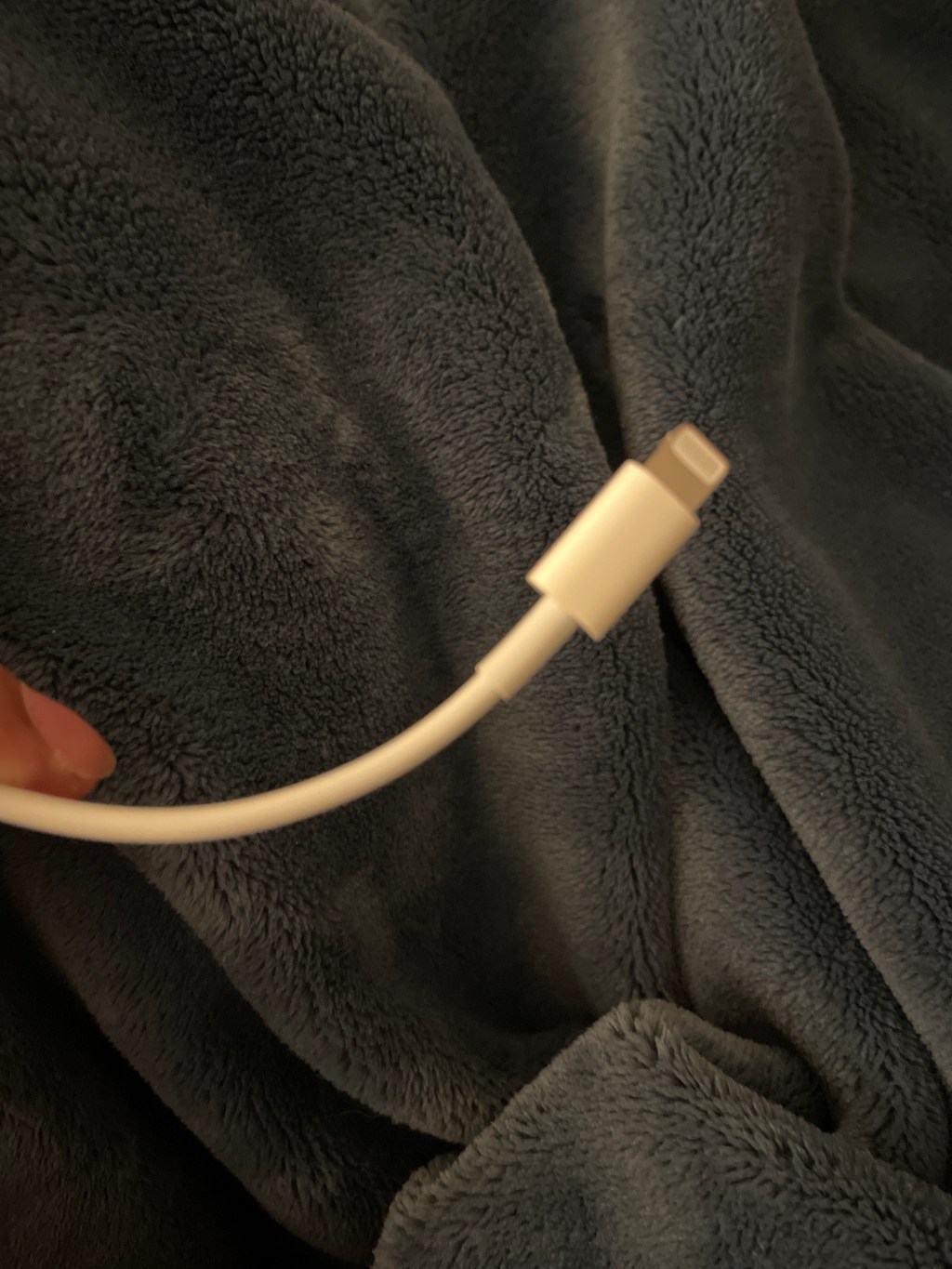
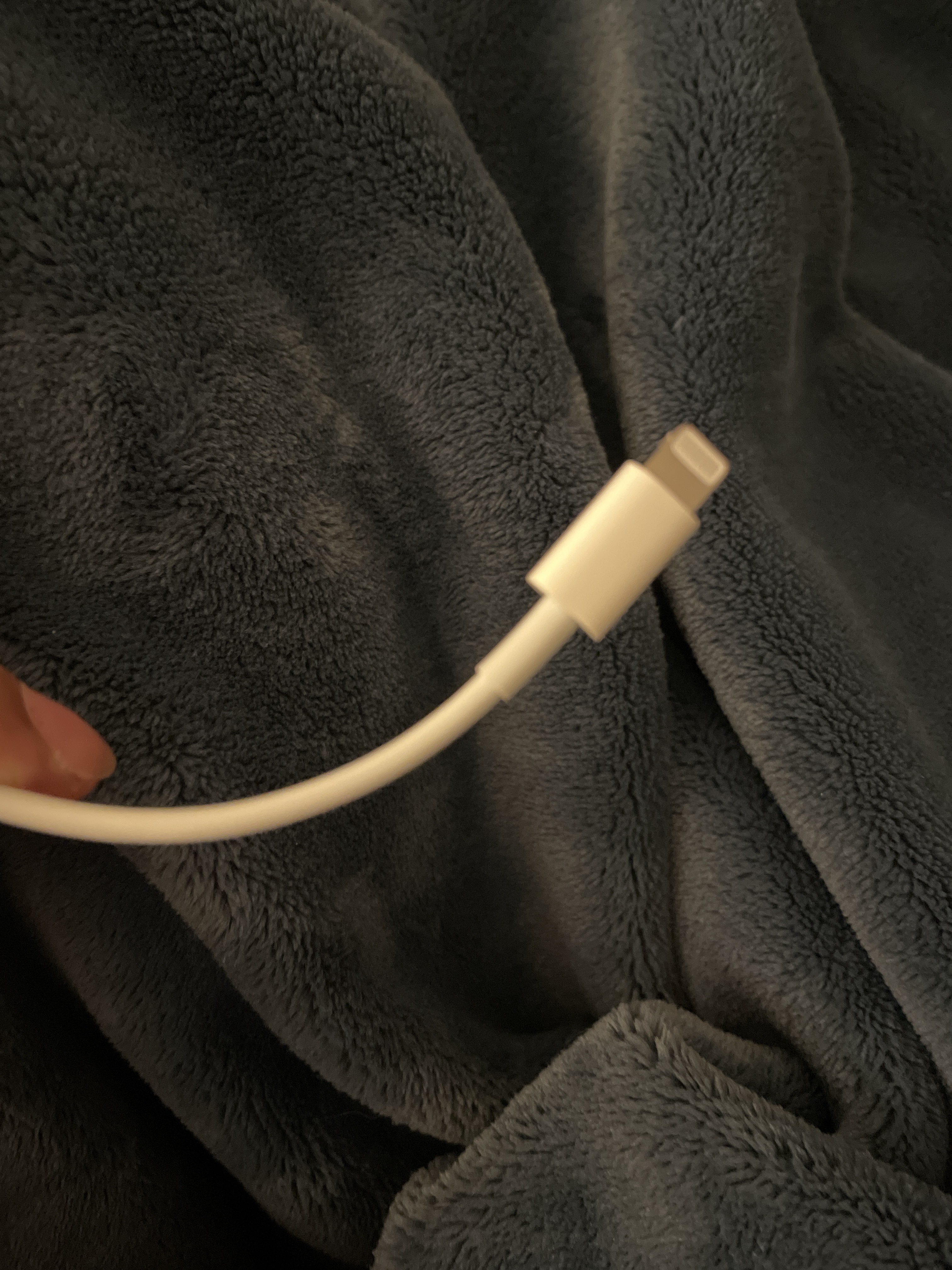
    I’m definitely not a tech blogger/reviewer, but there’s something I want to point out about the charging cable that ships with the new iPhone 12. Compared to the usb-c charging cable that came with the iPad Pro I bought earlier this year and old apple lightning chargers, the new iPhone cables appear to be reinforced:

    By now, everyone’s aware of the durability issues that have plagued the old cable, so I’m glad to see that Apple has done something to try to address it. We’ll see how it goes.

  • Cannon Beach, Astoria, and The Goonies

    Cannon Beach, Astoria, and The Goonies

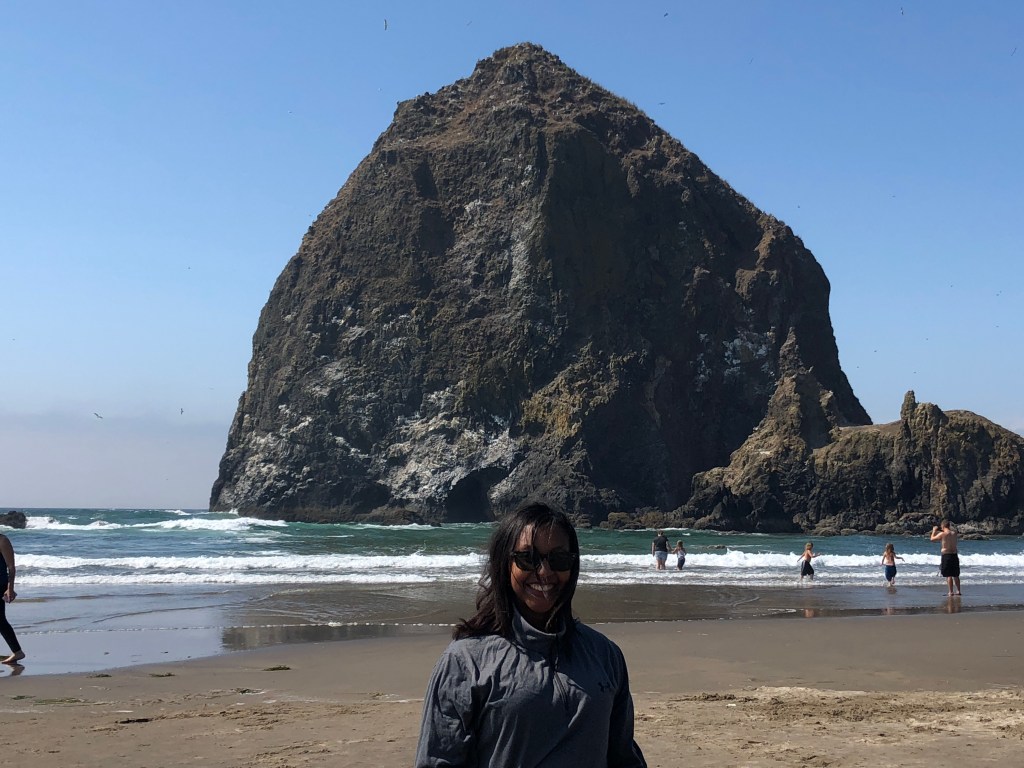
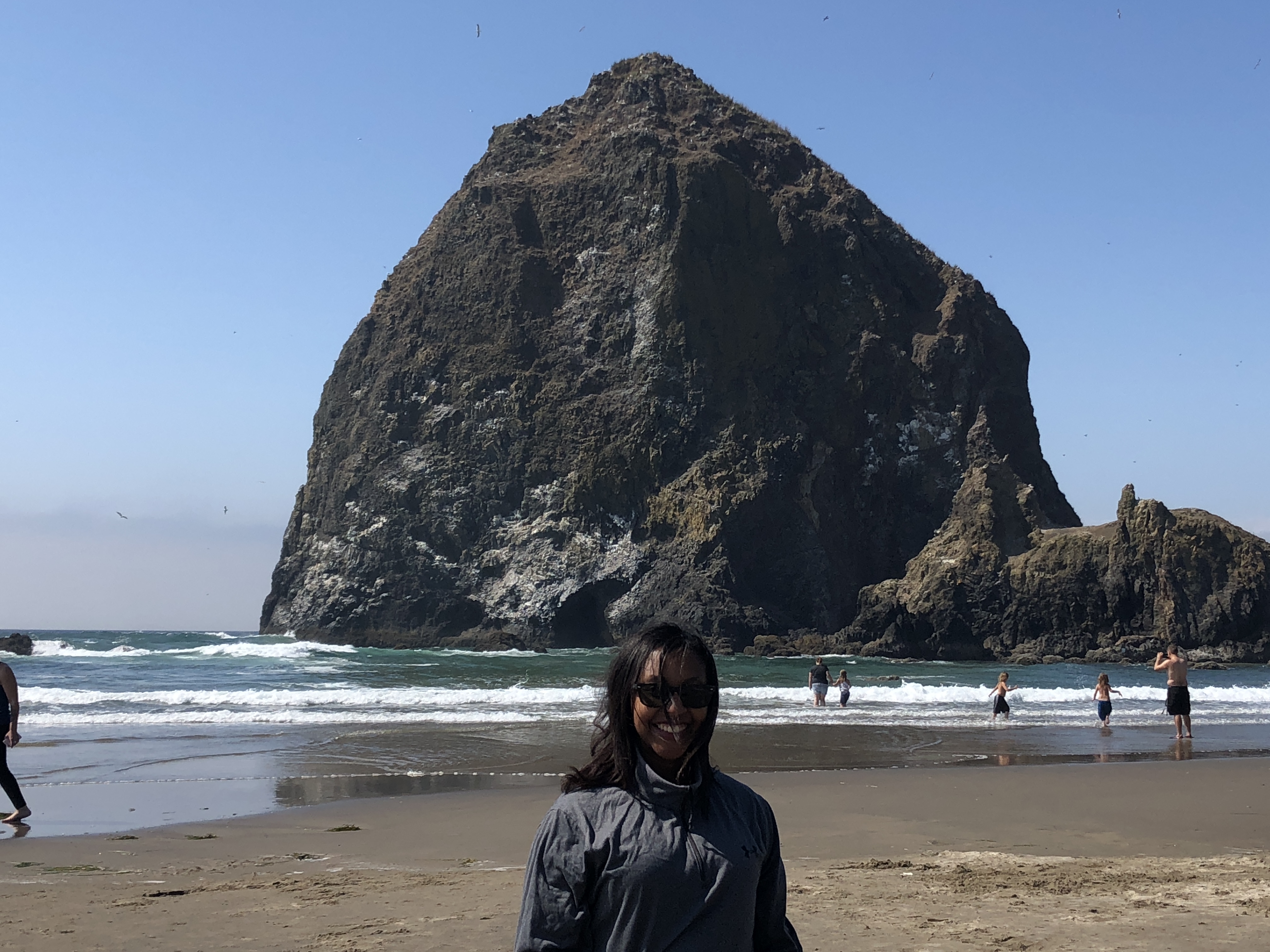
    Me at Haystack Rock

    It’s been a while since my last article. Sorry about that. I’ve traveling a bit, and honestly, I’ve just been busy trying to organize my life. I think I’ve finally got things worked out now, and I’m hoping that I’ll be able to post something at least once a week going forward.

    A few months ago, we decided to check out Cannon Beach, Oregon, and Astoria, Oregon. Both are on Oregon’s coast, and they aren’t that far apart from each other, so it was easy to get to them on one trip.

    So, in Oregon, some of the beaches have these beautiful, mysterious rock formations in the water. They’re called haystack rocks because they look like haystacks. Cannon Beach has one of the most famous of these rocks, which was featured in the 1985 movie “The Goonies”.

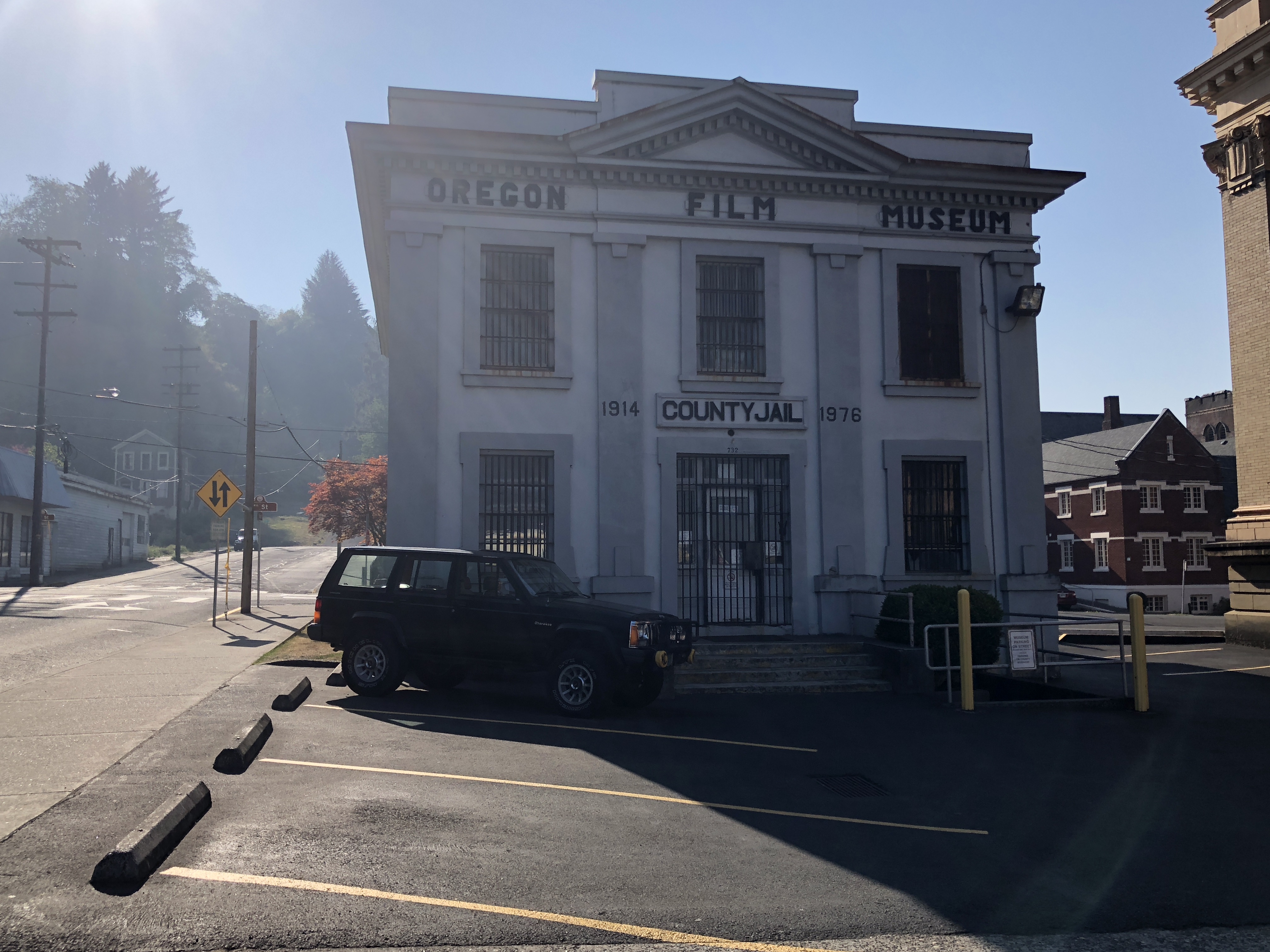
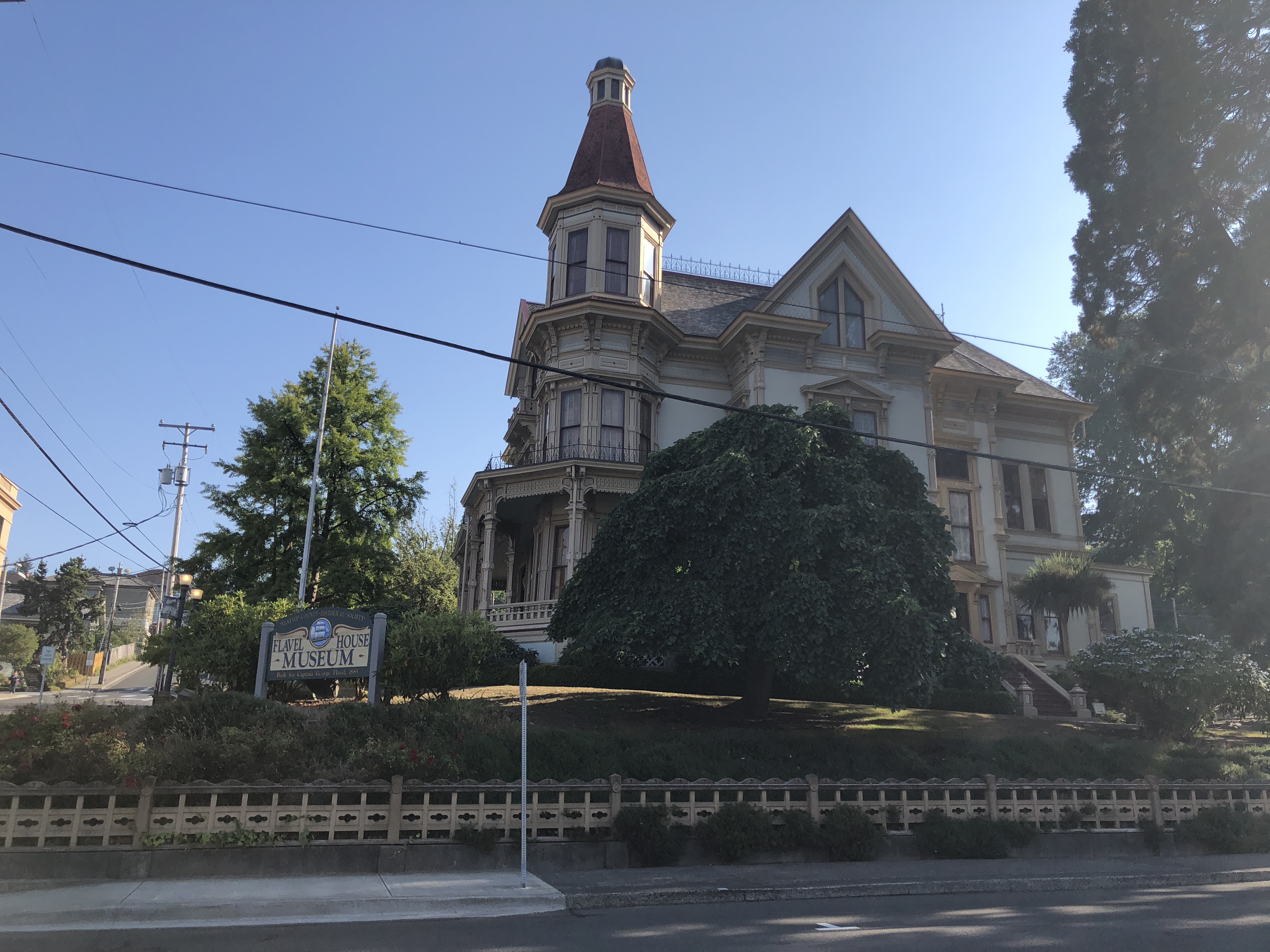
    After leaving Cannon Beach, we headed north to Astoria, Oregon. “The Goonies” is actually set in Astoria, and a lot of the filming was done on location. Astoria is home to the Oregon Film Museum, which is housed in the old Clatsop County Jail. The jail was featured in the opening sequence of the film when Jake Fratelli breaks out, and a Jeep similar to the one that belonged to the Fratellis in the movie is parked out front. We didn’t get a chance to actually go inside the museum because it was closed by the time we got there, so we already have a reason to go back. The museum houses exhibits related to films that were made in Oregon, including The Goonies, Kindergarten Cop, Free Willy, Twilight, and National Lampoon’s Animal House. The exhibits are on display in the former jail cells. Visitors can also create their own short films.

    Now, before visiting Cannon Beach and Astoria, I hadn’t watched “The Goonies” in at least a decade, probably longer. But I remember watching it all the time as a kid. It was one of those movies that I remember being a staple of my childhood. You know how, when you’re a kid, you go on all kinds of make-believe adventures in your backyard and around your neighborhood? This movie is like seeing those kinds of adventures come to life on the screen.

    When we got home from Astoria, we immediately rented the Goonies. It was the first time I recall watching it as an adult. It’s definitely funny and enjoyable, but if it weren’t already part of my childhood, I probably wouldn’t be drawn to it as an adult. It’s simultaneously cheesy and great like so many great 80’s kid and teen movies are. I didn’t perceive it that way when watching as a kid, but I think a lot of my childhood favorites share this trait. It’s not something I can imagine being released in theaters today, but I could see it being right at home on the Disney Channel — except for the cursing. And some of the jokes (like the whole bit with the David statue). Okay so maybe it wouldn’t be a perfect fit for The Disney Channel, but the overall tone reminds me of movies I’ve dismissed out right for being to cheesy.

    It was fun to watch the movie again. It was also weird. I don’t remember the kids looking so young. It’s also weird to know that those kids are now middle-aged. I count this weirdness among the tricks that time plays on you as you grow older.

  • The Titanic + Zombies = Awesomeness

    The Titanic + Zombies = Awesomeness

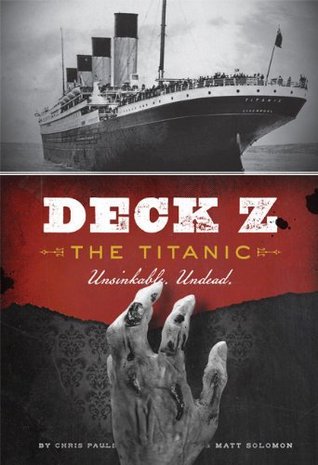
    deck-z-book-cover

    Deck Z: The Titanic: Unsinkable. Undead

    by Chris Pauls and Matt Solomon

    published September 2012 by Chronicle Books LLC

    This review may contain spoilers.


    This book is one of the most awesome books I’ve ever read about the Titanic.

    In Deck Z, a zombie virus breaks out on board the the ship, and Thomas Andrews and Captain Smith team up with a few others to battle walking dead. None of this actually happened in real life, of course, except the part about the ship sinking, but that doesn’t matter. I’d still recommend it to any person who counts the study of the Titanic among their hobbies.

    I’m not a fan of the whole zombie apocalypse trend that’s been popular in the last few years. With the way the world is today, I do not want to spend my free time fantasizing about what it would be like to be one of the handful of people who survives in a world where most of the population has been turned into zombies. I suspect that this book is a product of the craze, but I didn’t care about any of that when I found it. I could not resist the opportunity to read Deck Z, which, though fiction, offers such a different perspective of the disaster.

    As a person who’s been studying the Titanic since childhood, I’ve read my fair share of books about the ship, its people, and its foundering. I haven’t read much fiction about the ship, though. I’ve read some fanfiction (I’ve even written some), but now that I think about it, I can’t recall reading one fiction book about the Titanic. That’s so odd because I know that these books exist. I guess you could count Zero: 999, an interactive graphic novel that I recently completed. And of course, I’ve played games based on it. My absolute favorite was the computer game Titanic: Adventure Out of Time, but there was also Titanic: The Board Game.

    I love how Captain Smith is portrayed in Deck Z. He’s one of the major heroes in the story, and he wields a bad-ass sword (which he uses to skillfully decapitate zombies).  In many fiction films I’ve watched, Smith seems to be relegated to almost a supporting role in all the drama of the night. He’s the captain—it’s awesome that he gets a starring role in Deck Z.

    Thomas Andrews also gets the star treatment here. How? Let’s just say that homemade grenades made out of squash balls are involved. Pure awesomeness.

    I was honestly surprised by how much I enjoyed Deck Z. The only reason it caught my attention in the first place was the Titanic connection, and I expected it to be mediocre at best. But surprise, surprise–the plot and the writing are actually good! I’ve always wanted the chance to walk Titanic’s decks (I kind of already have if you can count visiting the Titanic museum in Pigeon Forge). While I can’t say that I ever wanted to do this during an outbreak of a zombie virus, reading Deck Z made me feel like I was right there in the middle of the action. This book is a must-read for anyone who’s read extensively about the Titanic and may want a change of pace on the topic.

  • Another Mississippi Connection: Major Archibald Butt

    Another Mississippi Connection: Major Archibald Butt

    Note: This story first appeared on “A Sense of Place”, the collections blog for the Mississippi Department of Archives and History. I wrote it as part of a series commemorating the 100th anniversary of the Titanic’s sinking.
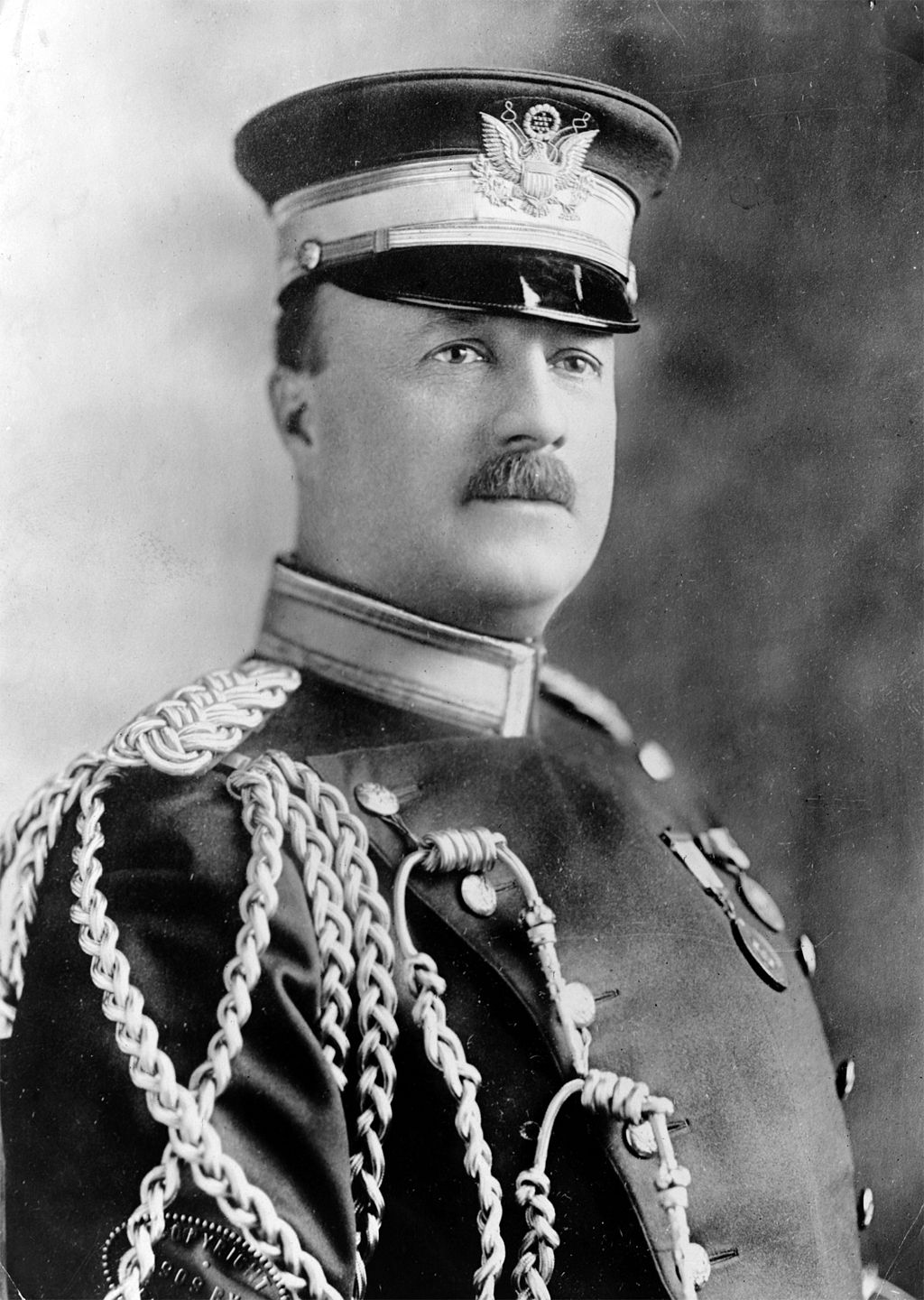
    1024px-Archibald_Willingham_ButtMajor Archibald Willingham Butt wasn’t a Mississippian, but he had Mississippi connections. The prominent Titanic victim had at least one family member and several former classmates who were Mississippi residents.

    Born in Augusta, Georgia, on September 26, 1865, Butt graduated from the University of the South in Sewanee, Tennessee, in 1888. Following graduation, he spent several years working as a journalist. He eventually moved to Washington, D.C., where he worked as a correspondent for several southern newspapers, including The Louisville Post, The Atlanta Constitution, The Nashville Banner, The Augusta Chronicle, and The Savannah News. He suspended his journalistic career to accept a position in the Mexican Embassy and later joined the military during the Spanish-American War. He also served in the Philippines and Cuba before becoming an aide to President Theodore Roosevelt in 1908. When President William Howard Taft took office in 1909, Butt remained in Washington as a personal advisor to the president.

    Following the Titanic disaster, one of Butt’s relatives, Robert Boggs of Long Beach, Mississippi, received a letter from President Taft. Charles L. Hilles, secretary to the president, sent Boggs a signed copy of the statement that Taft issued regarding Butt’s death:

    THE WHITE HOUSE

    Washington, April 1912

    Major Archie Butt was my Military Aide. He was like a member of my family, and I feel his loss as if he had been a younger brother. The chief trait of his character was loyalty to his ideas, his cloth and his friends. His character was a simple one in the sense that he was incapable of intrigue or insincerity. He was gentle and considerate to everyone, high and low, he never lost, under any conditions, his sense of proper regard to what he considered the respect due to constitute authority. He was an earnest member of the Episcopal church, and loved that communion. He was a soldier, ever inch of him, a most compitent [sic] and successful quartermaster, and a devotee of his profession.

    After I heard that part of the ship’s company had gone down, I gave up hope for the rescue of Major Butt, unless by accident. I knew that he would certainly remain on the ship’s deck until every duty had been performed and every sacrifice made that properly fell on the charged, as he would feel himself charged, with responsibility for the rescue of others.

    He leaves the widest circle of friends, whose memory of him is sweet in every particular

    Wm. H. Taft 

    Several Mississippians were college classmates of Major Butt at The University of the South at Sewanee. Among them were Bishop Theodore du Bose Bratton, Rev. William Mercer, Rev. Edward McCready, Dr. T.O. Hunter, and J.D. Ferguson.

    From the Daily Herald of Biloxi:

    From classmates residing at Biloxi, it is learned that Major Butt was always popular with his schoolmates, and always maintained a good standard of scholarship in college. Later when he went to Washington in the journalistic field and even when he became a busy attaché of the president, he always had time to greet old college friends. 

    History has regarded Butt as a hero. He has been memorialized in several ways, including the Butt-Millet Memorial Fountain erected in 1913 in Washington, D.C., to honor him and his long-time friend Francis Millet, who also perished in the sinking; and the Butt Memorial Bridge in Augusta, Georgia, dedicated by President Taft in 1914. The fact that his death was felt even in Mississippi shows the strength of his relationships and the magnitude of the Titanic disaster.

    Sources:

    1 “Major Archibald Butt,” from The New York Times, April 16, 1912, accessed April 23, 2012, http://www.encyclopedia-titanica.org/major-archibald-butt-3.html.  “Major Archibald Butt,” Biography.com, accessed April 23, 2012, http://www.biography.com/people/major-archibald-butt-283834.

    2 “Long Beach Kinsman Major Butt Receives Autograph Letter,” The Daily Herald, May 15, 1912.

    3 “Biloxians Were Among Classmates of the Late Major Archie W. Butt,” The Daily Herald, April 20, 1912.
  • Atlantic (1929)

    Atlantic (1929)

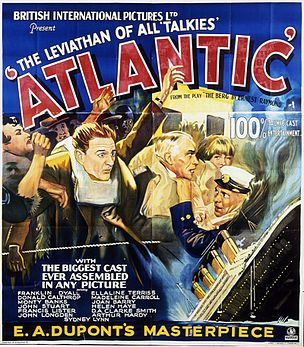
    Based on the play “The Berg,” Atlantic is a fictionalized retelling of the Titanic’s sinking. It was the first sound film made about the disaster and the first full-length sound film in Germany. Actually, the film was produced in three languages. In addition to German, there were French and English versions, as well as a silent version. I viewed the English-language version. Interesting fact: the film was originally released as Atlantic, but more recently, it has also been known as Titanic: Disaster in the Atlantic.

    But wait–if it’s a film about the Titanic, why was the movie originally called Atlantic? There’s a good answer for this. Originally, the film was supposed to be explicitly about the Titanic, and it’s title was to be Titanic. Due to lawsuits, however, the film’s producers changed the name of the film (and its fictional ship) to Atlantic.

    Beyond the fact that a large, unsinkable ship hit an iceberg in the Atlantic Ocean and sank, there’s actually very little in the film that resembles the narrative that students of Titanic are familiar with. Atlantic begins with a tale of adultery. Mr. Tate-Hughes, a first-class passenger aboard the ship, is stepping out on his wife with another woman on the ship, but that plot line quickly falls by the wayside as the ship hits an iceberg. Even as the real action begins, the film remains devoid of many of the mainstays of Titanic film. We don’t see any of the familiar faces–there’s no Captain Smith, no Thomas Andrews, no Bruce Ismay. We don’t even see that much of the ship itself, and what we do see barely resembles the ship we’ve come to know.

    I was confused by the characters’ costumes that I’m not even certain that the film is supposed to take place in 1912. The ladies don’t look like other 1912 women I’ve seen. They’re not dressed like women of the era, and I saw quite a few short women’s hairstyles that don’t seem to be from that period, either.  The clothing seemed more like a mish-mash of 1912 and 1920s styles.

    There are several scenes of chaos out on the Atlantic’s decks, as panicked people scramble for spots in the lowering lifeboats. I was shocked to see that at least one of these people was a black man. There may have been two, actually, but the second man was on screen for such a short time that I wasn’t able to get a good look at him. I’m pretty sure this is the only Titanic film I’ve seen that features any black people at all. Earlier this week, I wrote about Shine, a mythical black stoker on the Titanic who survived the sinking. Unfortunately, the dude on the Atlantic wouldn’t be as fortunate as Shine. During the scenes on deck, the black man breaks through the crowd and struggles against an army of men as he attempts to enter a lifeboat. He gets pummeled, but he makes it into the boat, where he gets pummeled some more, and choked, too. Finally, an officer shoots him, and he falls out of the boat and into the sea. Not a very positive light in which to depict black people, but it’s certainly not surprising, given the period when the film was made.

    As a Titanic film, Atlantic is pretty forgettable overall. The scene where the officer shoots the black dude is what sticks out the most to me, not exactly something I’d like to remember most about a film. It had potential in the beginning, with the adultery plot, but that storyline just kind of fizzles out. It’s possible there was a resolution, but if there was, I don’t remember it. This should have played a much larger role in the film, but most of what we get is the man’s poor wife grieving over her husband’s unfaithfulness and his daughter sneering anger over her father’s behavior. Such a waste.